Tawang
Judhajit Samajdar
5/2/2025
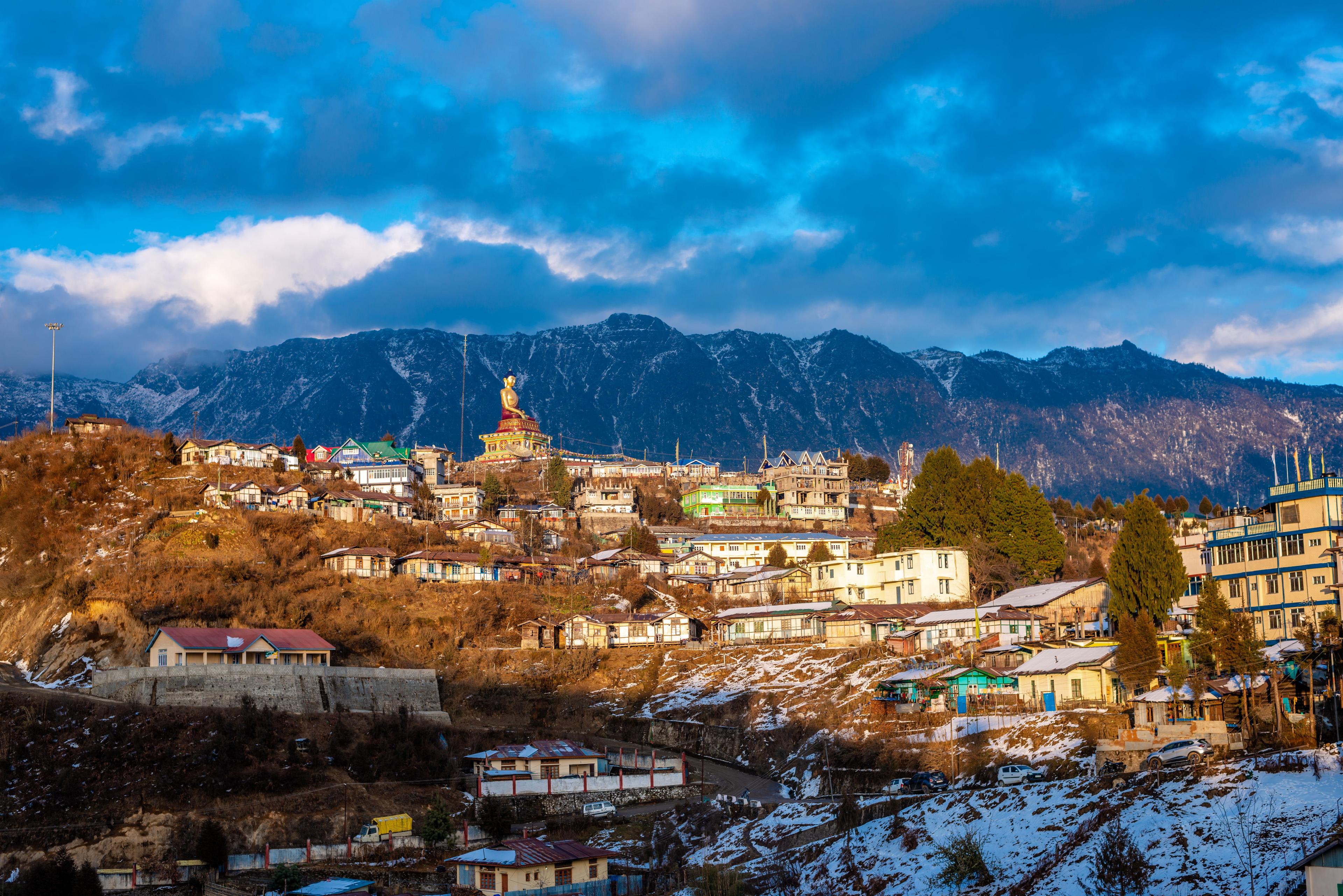
The road to Tawang doesn’t just lead you into the mountains—it draws you into something deeper. As the altitude climbs, the world shifts. Pines line the winding route, prayer flags flutter like breaths on the breeze, and every turn feels like a step into legend. High in Arunachal Pradesh, near the edge of the sky, Tawang isn’t a place you visit. It’s a place you feel.
This eastern corner of the Himalayas carries stories like the wind carries snow—quietly, constantly. It’s where the Sixth Dalai Lama was born, where rivers run alongside memory, and where faith and bravery have etched themselves into the land. From the golden silence of Tawang Monastery to the wind-swept heights of Sela Pass, from the thundering beauty of Nuranang Falls to the solemn strength of Jaswant Garh, each stop on the road tells its own truth.
You don’t need a guidebook here. Just listen. The landscape speaks—in chants, in footfalls, in the hush after a hawk’s cry. This journey isn’t just through a place. It’s through time, through story, through spirit.
Let’s follow the road where the stories begin.
Tawang Monastery: Whispers of Enlightenment
The road coils upward until, suddenly, it appears—Tawang Monastery, perched at 10,000 feet, its golden roofs catching the sun like a quiet miracle. Clinging to the mountainside, it feels less built than dreamed, a sacred hush in a wild landscape.
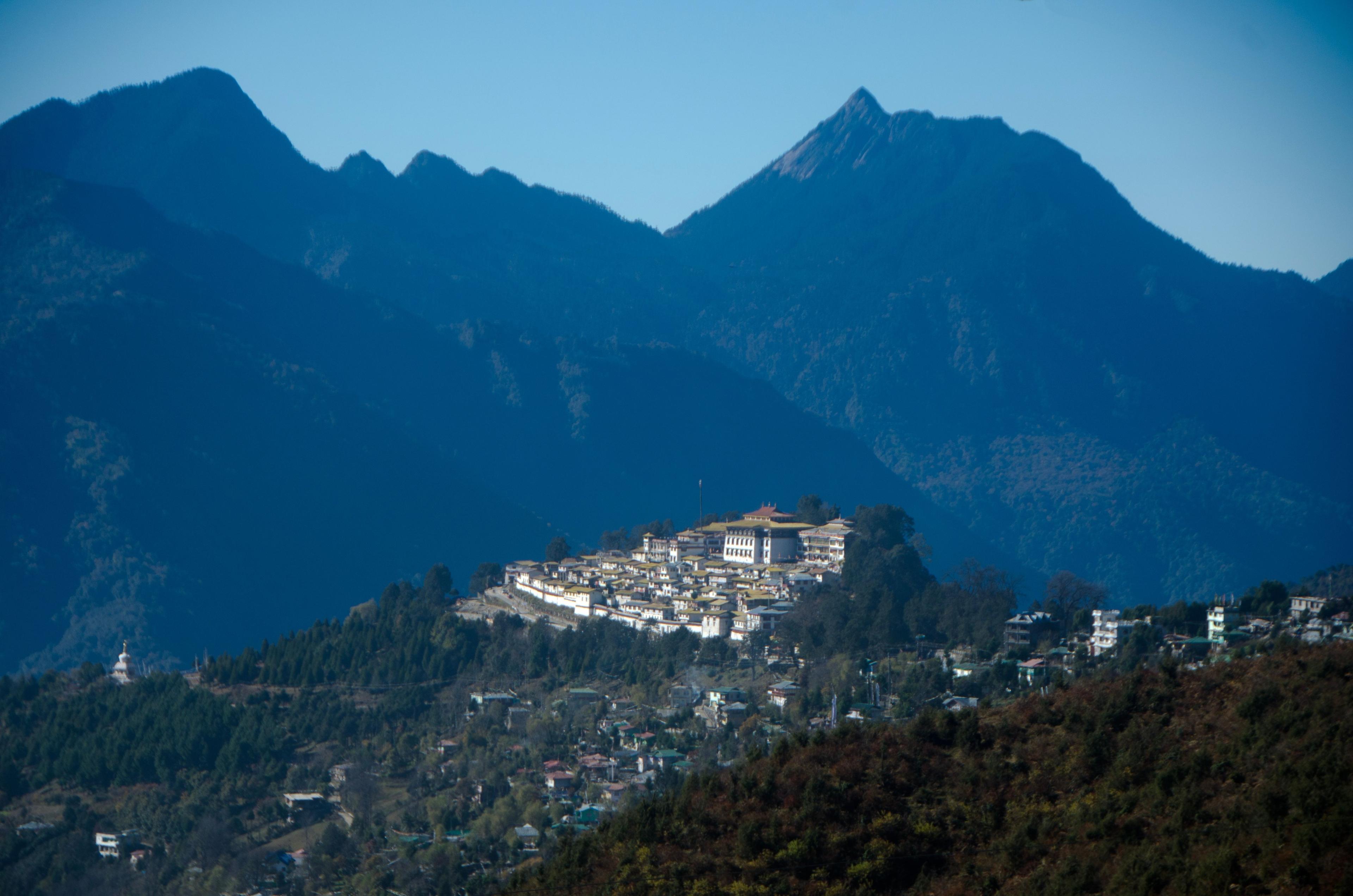
Inside, time slows. Butter lamps flicker, incense curls in the air, and maroon-robed monks move like echoes through stone halls. At the heart of it all, a towering Buddha sits in eternal stillness—eyes half-closed, as if seeing beyond the physical world.
The monastery’s library holds fragile texts inked by long-gone hands. Its museum, blessed by the 14th Dalai Lama, hums with relics—skull cups, thangka paintings, silent stories. Outside, novice monks laugh between lessons while elders chant beneath prayer flags flapping like wings.
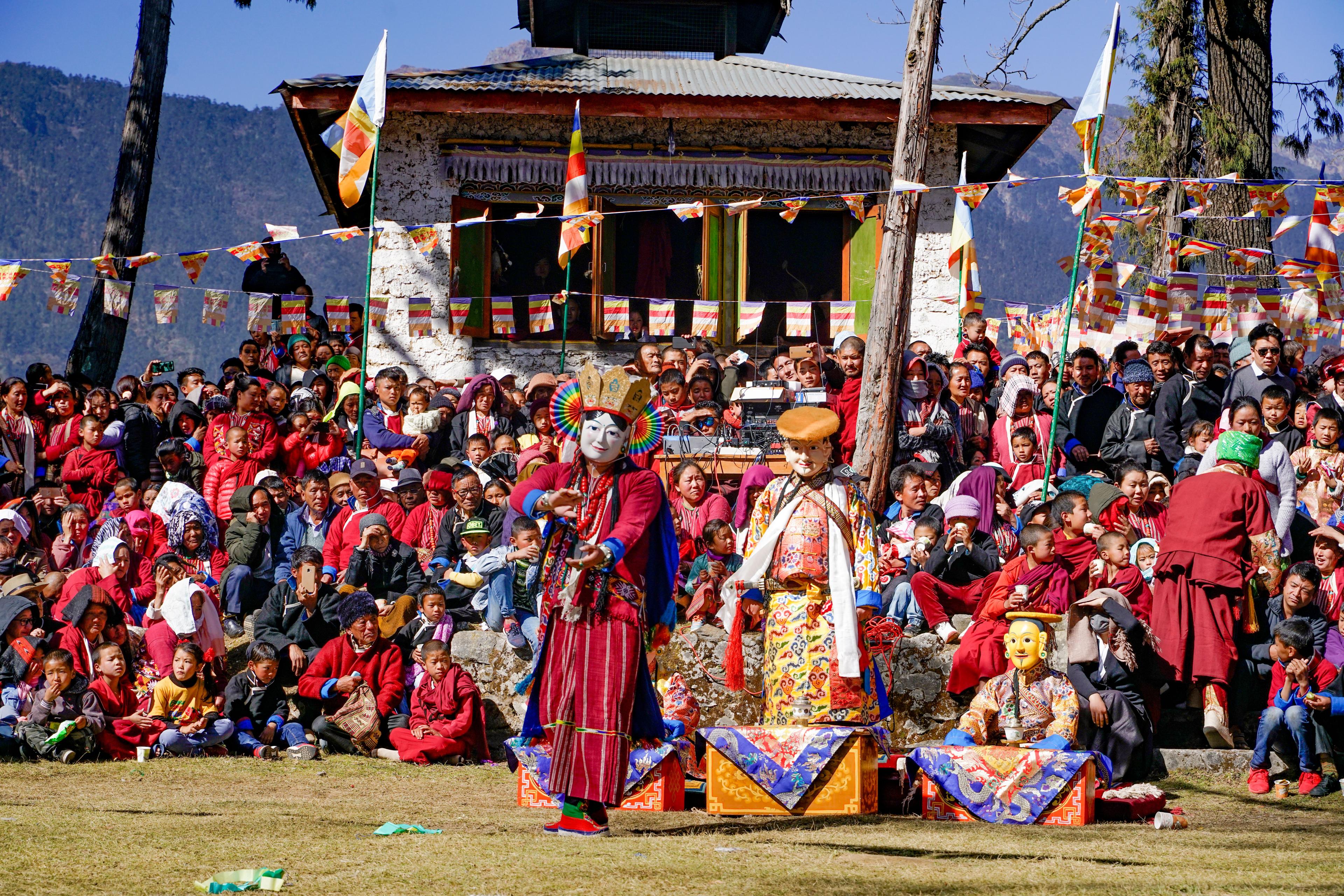
In January, the Torgya Festival bursts into color—masked dancers spinning, cymbals clashing, the air alive with rhythm and ritual.
And as you leave, the wind carries a mantra—Om Mani Padme Hum—down the valley. A soft, persistent blessing that seems to weave itself into your journey.
Sela Pass: A Threshold of Legends
The road from Tawang curls skyward, slicing through pine and mist until the trees fall away and the heavens open wide. At 13,700 feet, Sela Pass greets you with wind-bitten silence and a view that stretches beyond belief. Snow crowns the ridges, and sacred lakes—101 of them—glimmer like forgotten stars scattered across the earth.
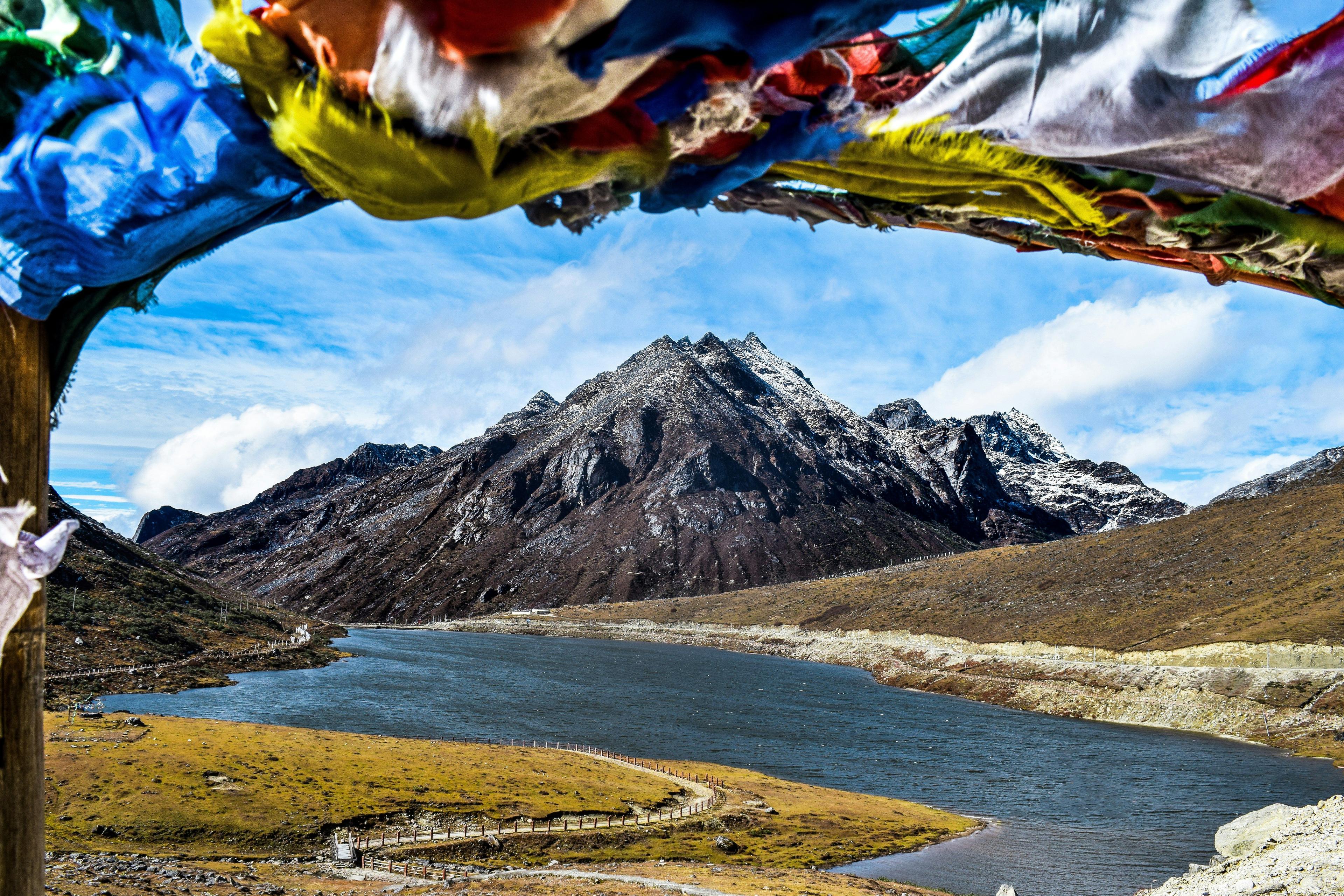
Yet beauty here walks beside memory. In 1962, Rifleman Jaswant Singh Rawat and two Monpa girls, Sela and Noora, held this pass against invading forces. For 72 hours, they fought—Jaswant with his rifle, the girls with fierce resolve. Sela fell, and her name now lives in the lake and the land.
Locals say you can still feel her spirit in the stillness, where prayer flags snap and coins clink into the water for safe passage. Monks once blessed these lakes; drivers still stop to whisper wishes into the wind.
The silence is vast, broken only by the cry of a hawk or the creak of ice. And as you descend, Sela lingers behind—a place where the sky meets the soul, and every gust carries a legend.
Nuranang Falls: The Song of a Heroine
The journey flows onward, tracing the Tawang River until a distant rumble grows into a roar. Nuranang Falls—known locally as Jang or Bong Bong—bursts into view, a 100-meter cascade that shatters the stillness. Milky waters plunge over black rock, mist rising like spirits from the forest below. Emerald hills cradle the falls, a tableau of wild, untamed beauty.
But Nuranang is more than a spectacle. Its name honours Nura, the Monpa girl who, alongside Sela, aided Jaswant Singh in 1962. Captured by Chinese forces, her fate remains a mystery—some say she leapt into the falls rather than surrender. “She’s still here,” a villager says, gesturing toward the mist. “Her courage feeds the river.” The water’s thunder feels like her voice—defiant, unbroken.
Trek closer, and the mist kisses your face, cool and alive. Nearby, a modest hydel plant hums, harnessing the falls’ energy—a quiet nod to resilience in a land shaped by struggle. Birdsong softens the roar, and for a moment, standing there, you feel caught between worlds: history and eternity, peace and power.
Jaswant Garh War Memorial: Echoes of Valor
The road dips again, leading to Jaswant Garh War Memorial, 25 kilometers from Tawang, where the air grows heavier with meaning. At 10,000 feet, a bronze statue of Jaswant Singh Rawat gazes out across the peaks he defended. This is not just a monument—it’s a shrine to a man who became a legend.
In November 1962, Jaswant held this post alone after his unit retreated. With Sela and Nura at his side, he staged a one-man resistance—rigging rifles to fire at intervals, tricking the enemy into believing a battalion remained. For 72 hours, he fought, until a bullet found him. The Chinese, moved by his valor, returned his head with honor. Posthumously awarded the Mahavir Chakra, Jaswant’s spirit is still said to guard these hills.
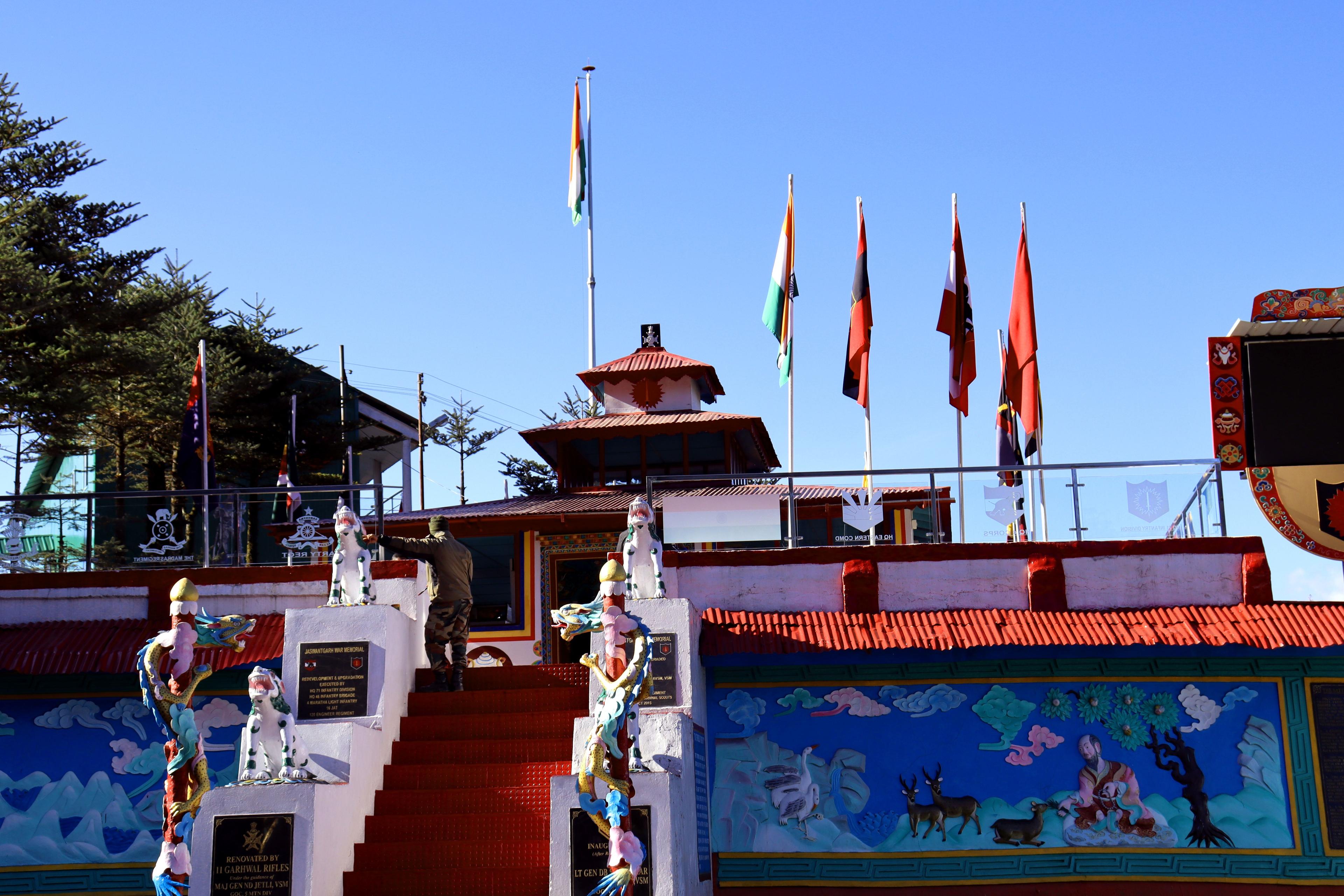
The memorial is stark yet stirring. A small museum cradles relics—his uniform, faded letters, a grainy photo of a young man with steady eyes. The Indian Army tends the site, serving tea to visitors as they might have to Jaswant himself. “It’s humbling,” a soldier remarks, gazing out at the sweeping view. The mountains stand like silent sentinels, their peaks a tribute written in stone and sky.
Tawang’s Timeless Spell
As you trace your steps back through Tawang’s winding roads, the pieces fall into place. The monastery’s chants still echo, threads linking you to centuries of seekers. Sela Pass looms in memory, its lakes glinting with tales of sacrifice. Nuranang’s roar fades, but its spirit endures. Jaswant Garh stands resilient, a testament to courage carved into the Himalayan heights.
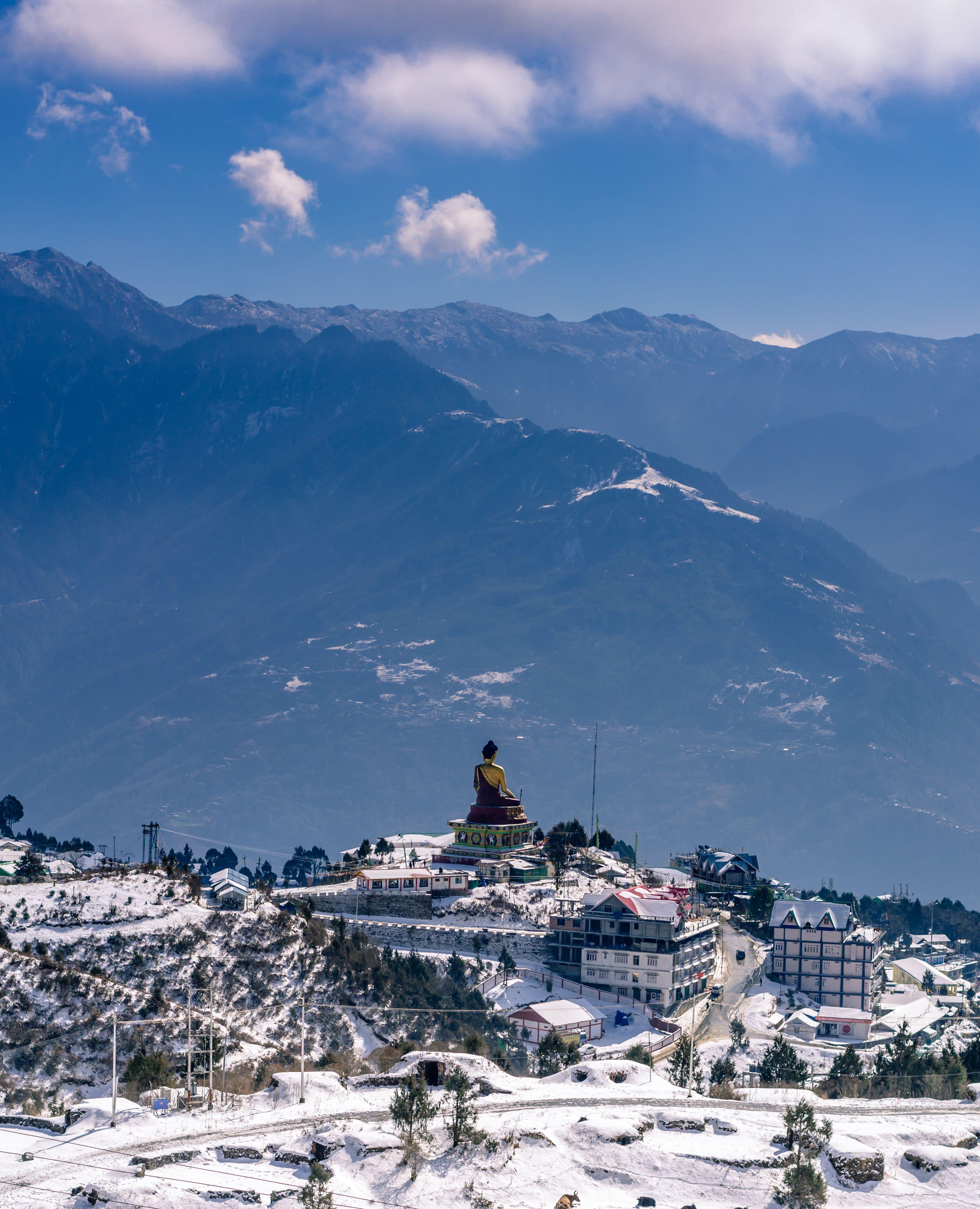
Tawang is a tapestry woven of sacredness and wonder, where every vista hides a story and every silence hums with song. It’s the birthplace of a Dalai Lama, the grave of a hero, and the cradle of a culture that thrives in the clouds. You leave not with mere photographs, but with a fragment of its soul—a longing to return to this Himalayan hymn of time, spirit, and serenity.